
We craft Bio‑Composites
from Upcycled Resources
Our mission is to accelerate the transition to a circular bioeconomy by transforming residues and other underutilized material streams into high-performance materials for the construction, furniture, and product industries. We replace conventional materials with circular alternatives that are non-toxic, have lower embodied carbon, and combine exceptional performance with refined aesthetics. Every material we develop diverts valuable resources from landfill, keeping them in productive use and advancing the transition to a truly circular economy.





















PHEE materials in the real world.
Adidas Store Athens Ermou Str.
Custom seating, cubes, and fitting-room benches in PHEE Board™.
The Athens flagship is the only adidas store in the world to feature Posidonia biocomposite, set apart from the global store template.
PHEE Board™
Material
Seating · cubes · benches
Application
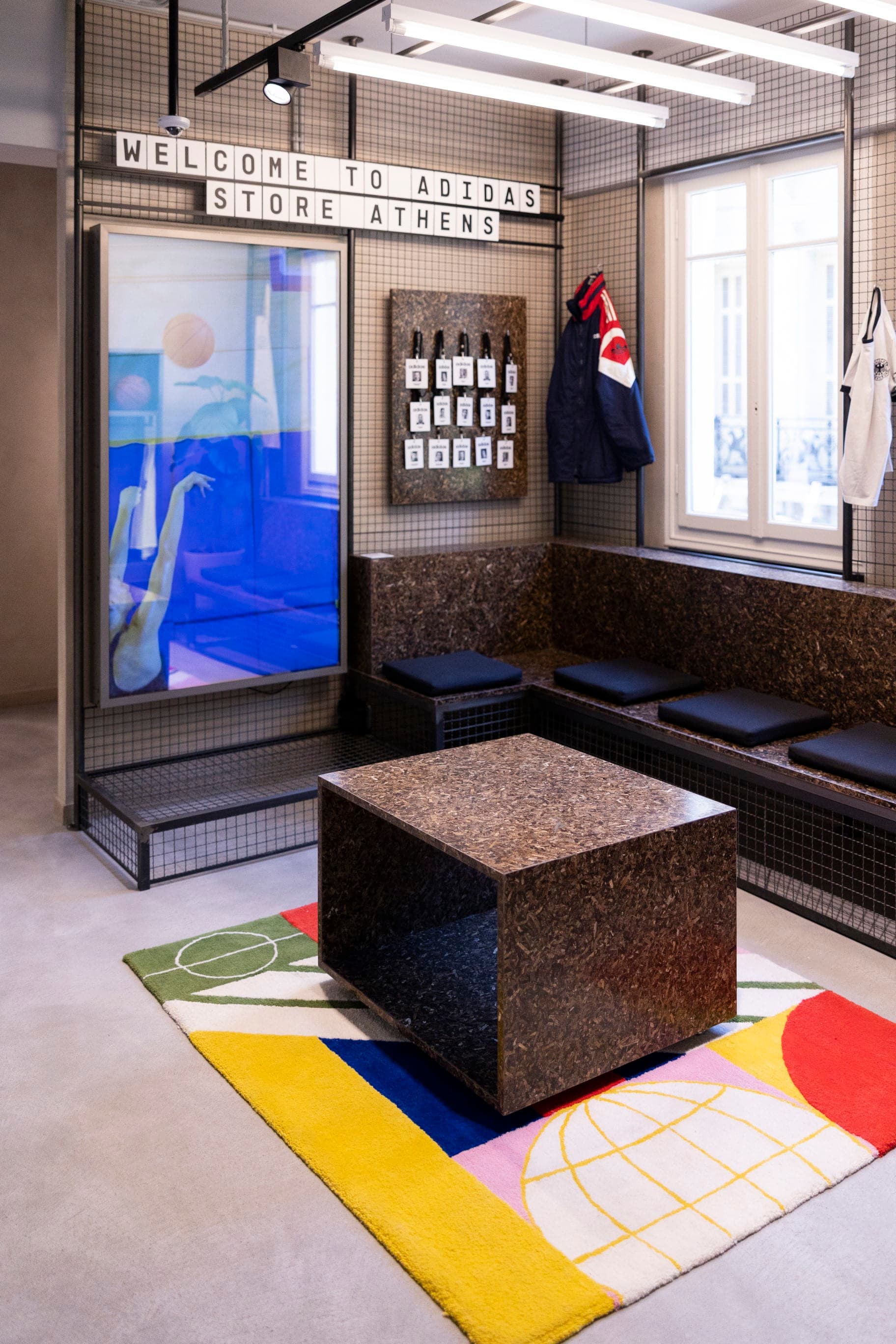
Adidas Store Athens Ermou Str.
Custom seating, cubes and fitting-room benches in PHEE Board™ — the Athens flagship set apart from the global store template.
Why architects and designers choose PHEE materials
Biophilic design
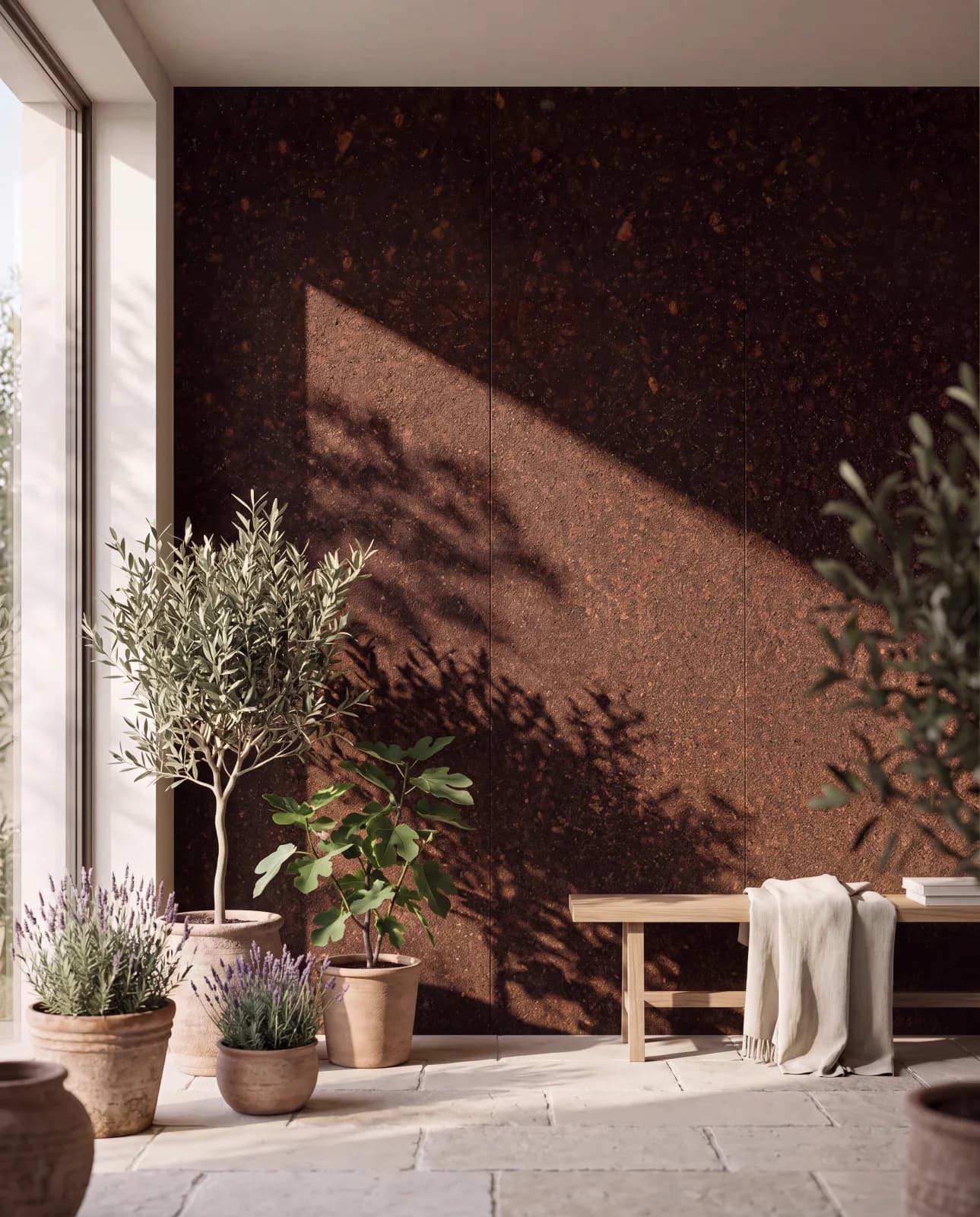
We preserve the beauty of nature by upcycling whole plant fibers, leaves and husks into unique materials that bring the natural world closer to our everyday life.
Healthier indoor air quality
Made from safe, non-toxic materials that contribute to healthier spaces for living and working.
Material uniqueness
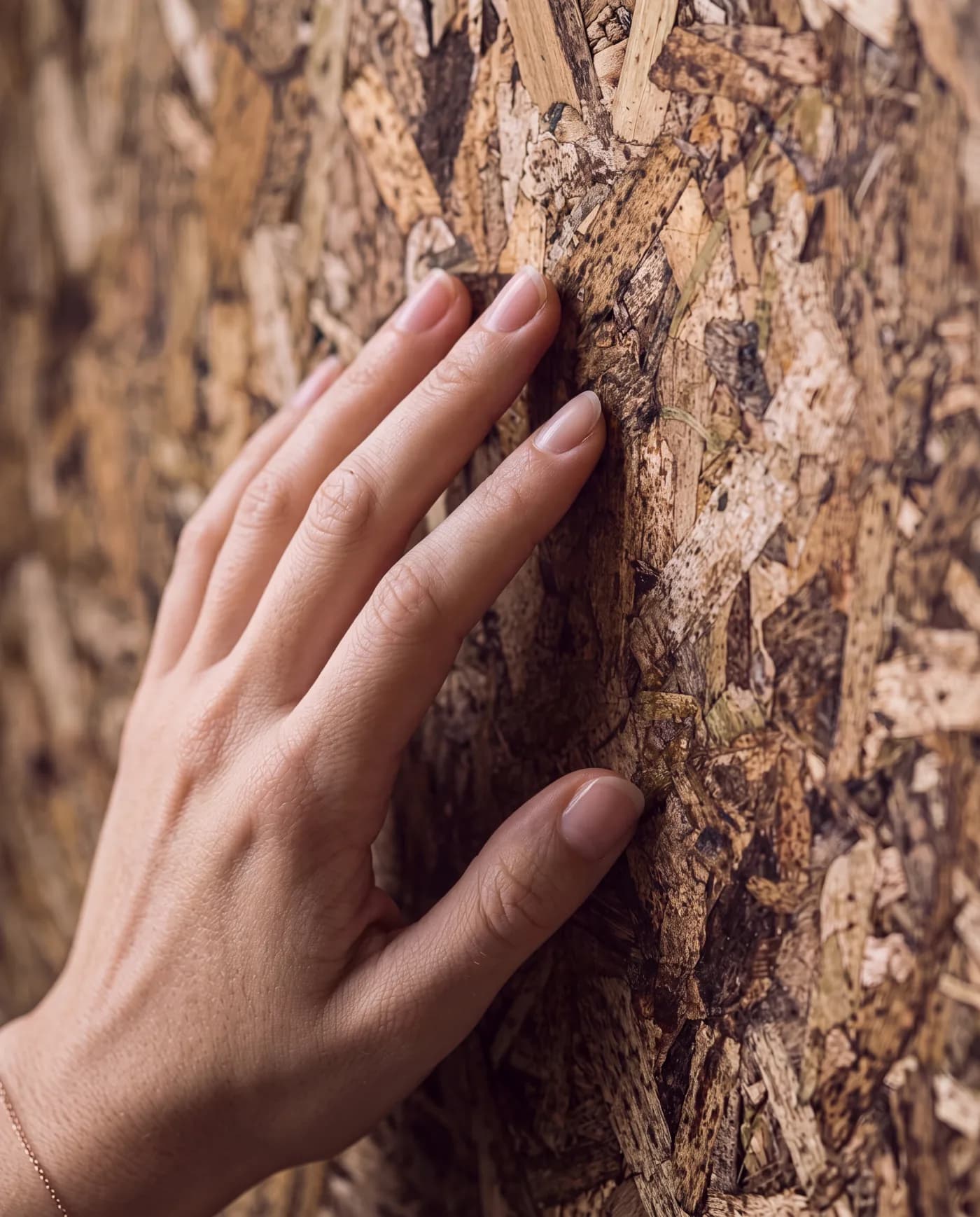
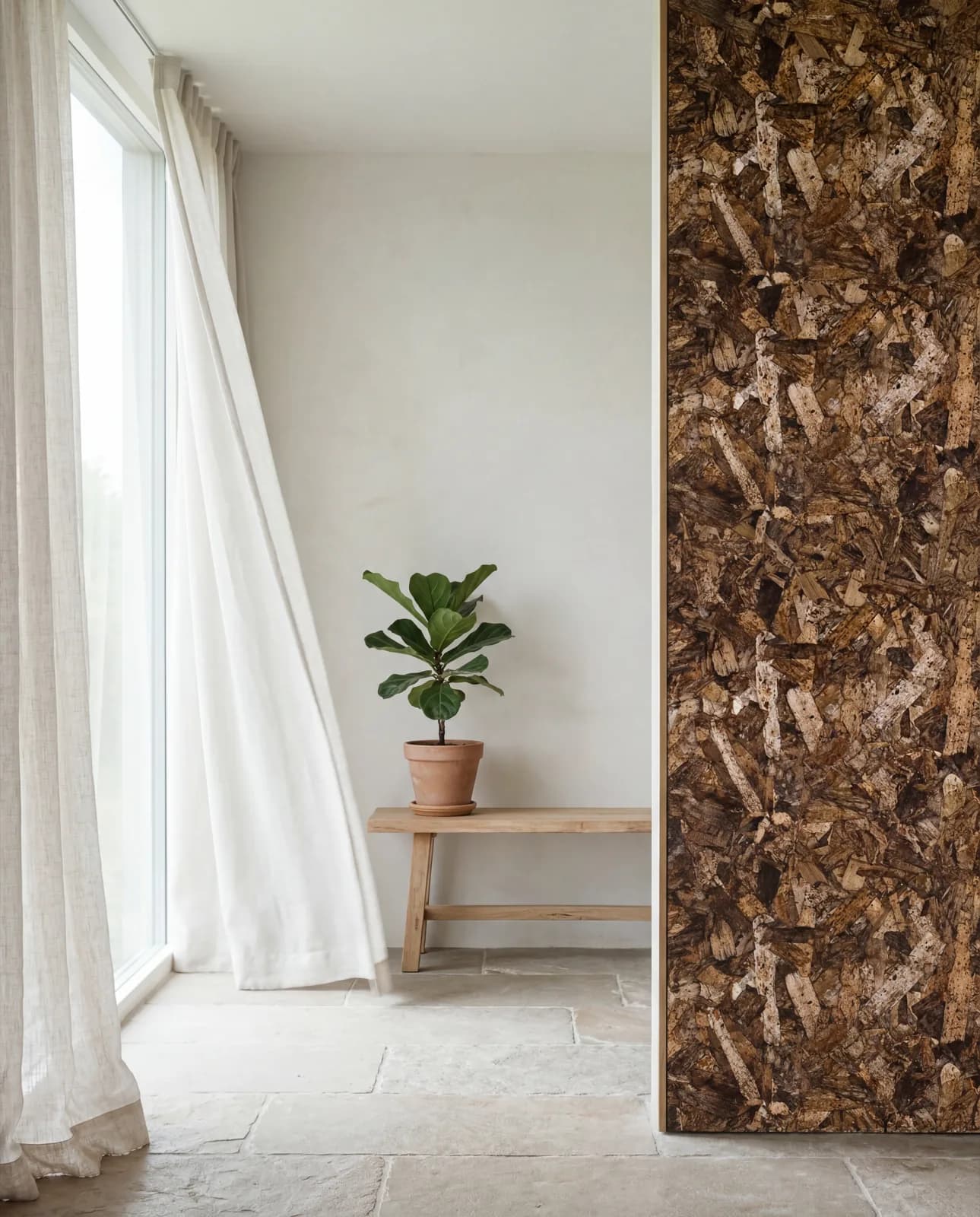
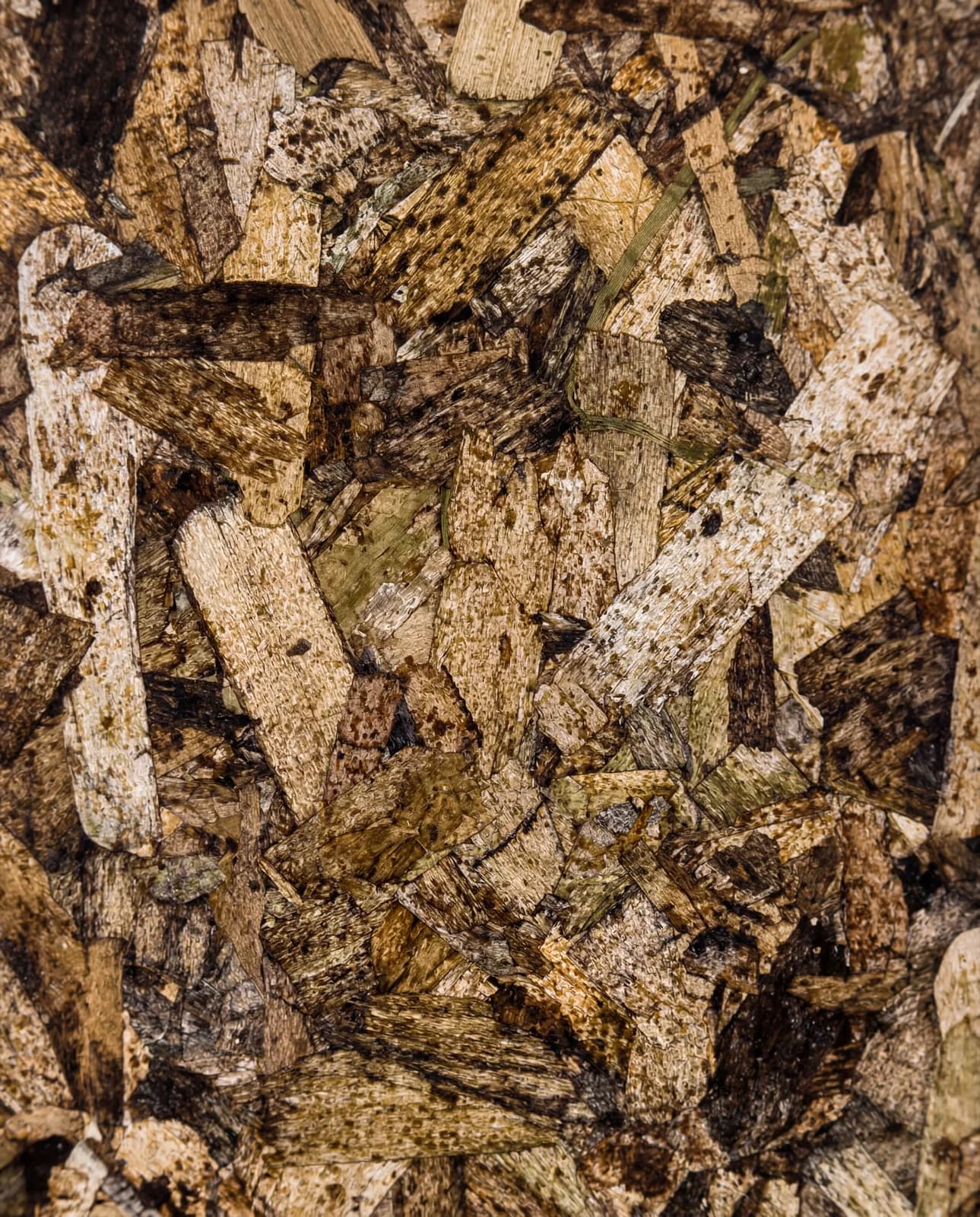
Nature never repeats itself. By preserving the natural structure of plant fibers, PHEE creates one-of-a-kind surfaces where every square meter carries a unique pattern, adding authenticity and character to every project.
Lower environmental footprint
Containing 55% certified bio-based content, PHEE materials help architects and designers reduce the CO₂ footprint of the spaces they create.
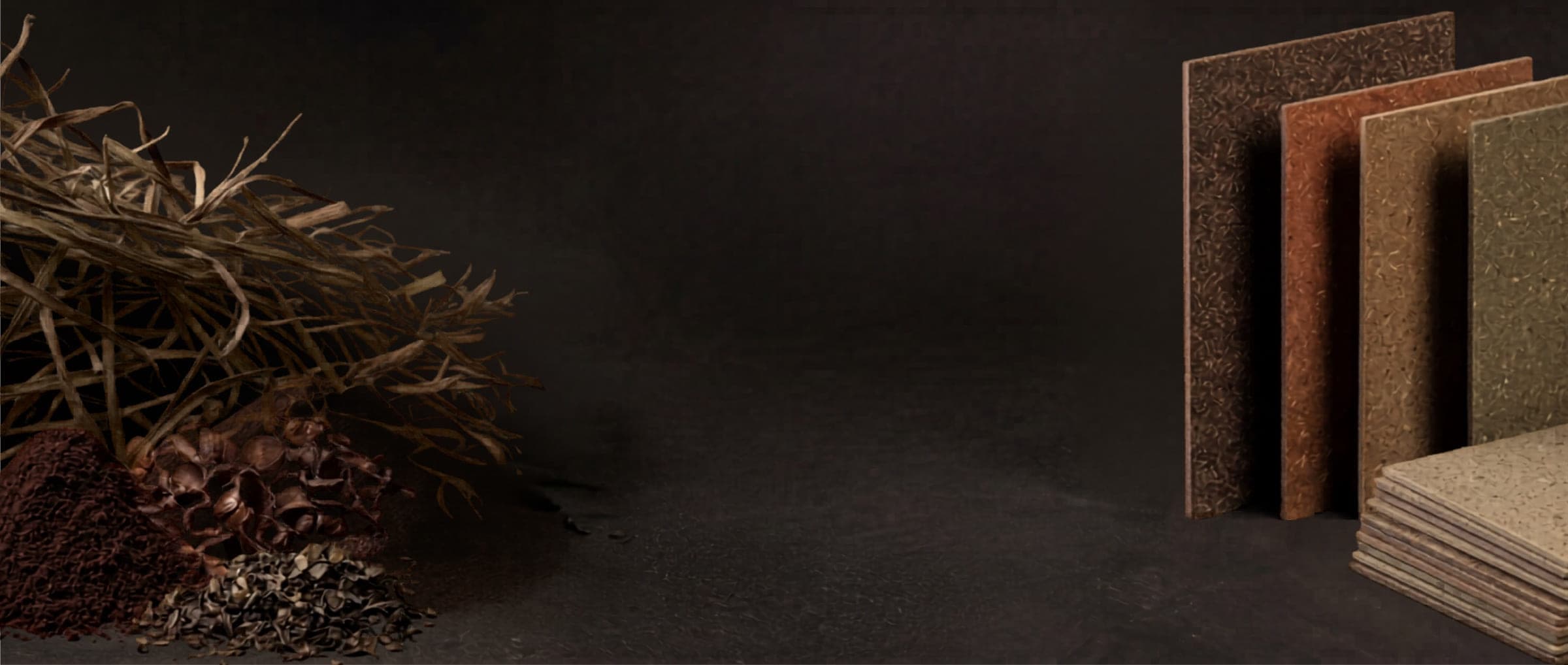
Place Mother Nature at the heartof the spaces where we live, work, and relax.
Engineering the next generation of bio-based materials
What happens when
waste becomes product.
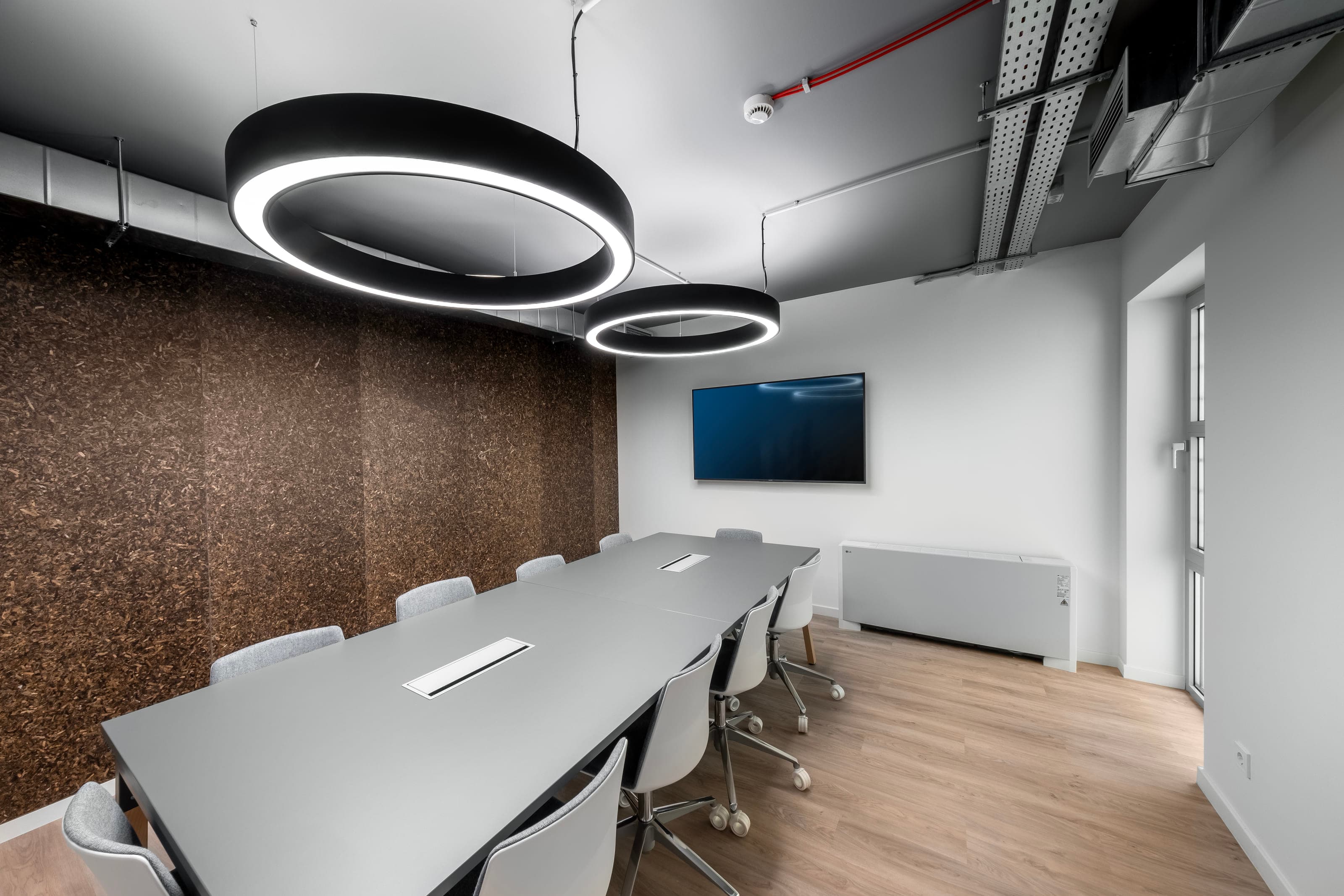
“OurcollaborationwithPHEEwasexcellentateverystageoftheproject.Theykepttoscheduleandansweredeverytechnicalquestionpromptlyandindetail.”
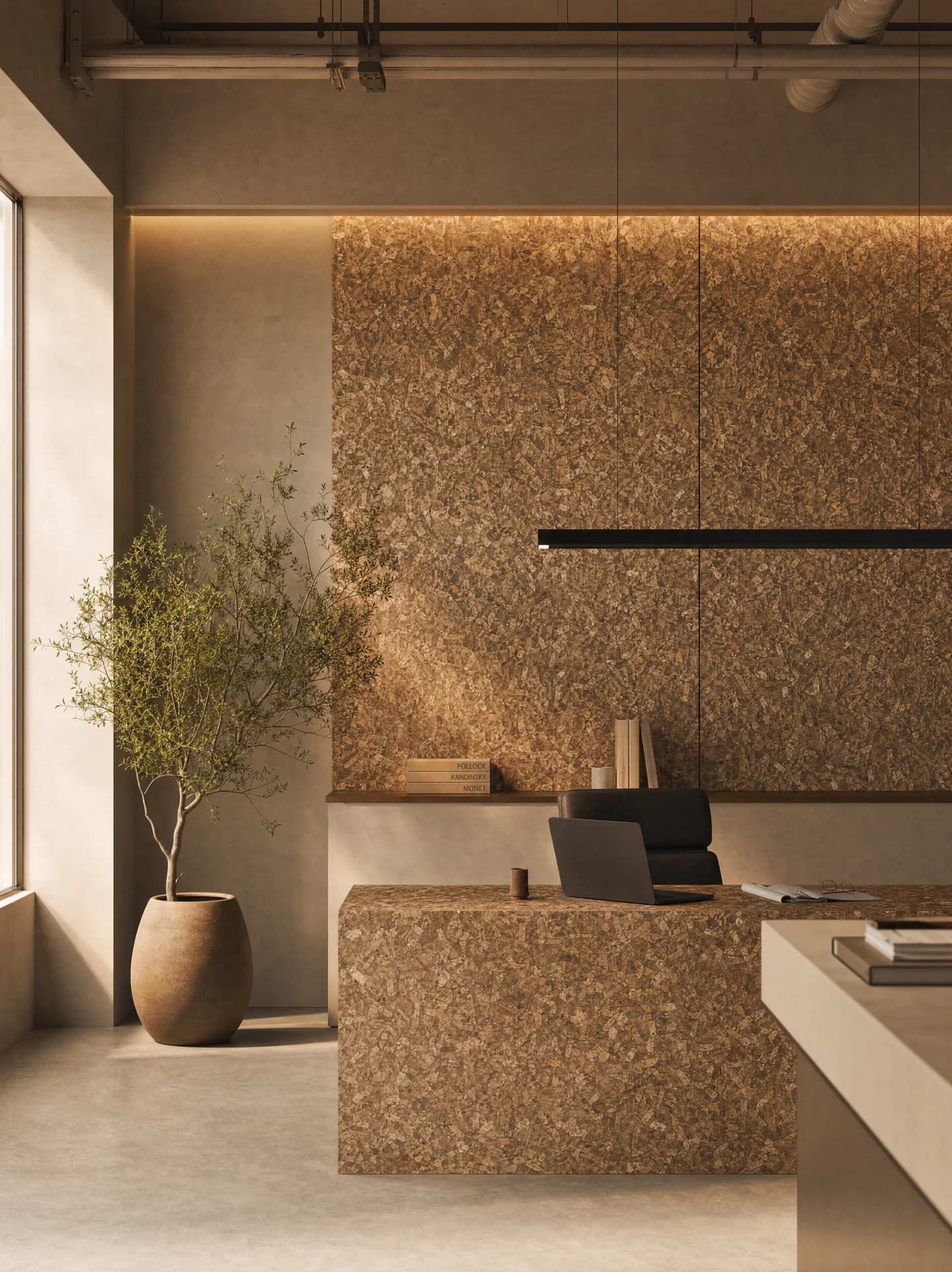
Full-height PHEE Board™ wallcoverings across meeting rooms and shared spaces at Deloitte's new regional offices in Patras.
Your questions answered.
Common questions about PHEE materials, projects and partnerships. Need more detail? Book a call and we'll walk you through it.
Through PHEE's circular manufacturing technologies, agricultural residues, agro-industrial by-products, forestry biomass, marine biomass, natural fibre residues, inorganic residues (e.g., recycled glass and waste-derived silica), and organic residues (e.g., plastic waste and composite packaging waste) are upcycled into high-value fillers, reinforcing materials, or primary raw materials for biocomposite manufacturing.
PHEE's proprietary technology (#pheetech) processes multiple biomass feedstocks: Posidonia Oceanica dead seagrass leaves (PHEE Board™), espresso spent coffee grounds (CoPHEE Board™), post-industrial cocoa husks (Cocoa Board™), and tea waste (Tee Board™), plus one-off collaborations like wild artichoke residue (Thistle Board™). These are plant-derived residues that would otherwise end up in landfills.
Unlike conventional bio-based or upcycled materials, PHEE's proprietary manufacturing technology preserves and upcycles whole fibres, leaves, and other natural residues without destroying their natural morphology. This retains the unique textures, patterns, and character of the original biomass, making every square centimetre of every panel naturally distinctive. The result is a high-performance, low-embodied carbon material that combines circularity with a unique aesthetic tailored to its final application.
PHEE materials are climate-positive: each cubic meter replacing conventional HPL saves 893.4 kg CO₂eq. The materials divert plant-derived residues from landfill — where they would contribute to methane emissions (responsible for ~11% of global methane emissions, per World Bank) — into high-value composite panels. All materials are BPA-free and formaldehyde-free.
Yes. Through the PHEE Materials Lab, we co-develop low-embodied carbon composites from your own waste stream. PHEE upcycles agricultural, agro-industrial, forestry, marine, natural fibre, inorganic, and organic residues into high-performance fillers, reinforcements, or raw materials for composites manufacturing tailored to your application. Beyond material development, we help design holistic circular economy solutions by integrating complementary circular technologies to maximize the value of your waste streams. Our goal is to transform residues into high-value raw materials for new products, minimizing landfill disposal and creating long-term environmental and economic value.
All PHEE panels are composed of 38% upcycled biomass combined with 62% bio-based thermoset resin system. The total bio-based content is 55%, certified to ASTM D6866. All panels are BPA-free and formaldehyde-free.